The Indus Valley civilization was undone by climate
Sustainability Times
02 May 2023, 11:54 GMT+10

 Share
Share
 Tweet
Tweet
 Share
Share
 Flip
Flip
 Email
Email
Subscribe and Follow
Get a daily dose of Pakistan Telegraph news through our daily email, its complimentary and keeps you fully up to date with world and business news as well.


News RELEASES
Publish news of your business, community or sports group, personnel appointments, major event and more by submitting a news release to Pakistan Telegraph.
More InformationRepublican Texas AG pushes stricter transgender policy in NCAA

LUBBOCK, Texas: The Republican attorney general of Texas, Ken Paxton, wants the NCAA to strengthen its transgender athlete policy by...
In defense of Californian lands, migrant workers dig in

When the Eaton Fire began on January 7, 2025, in Altadena, California, it blazed through residential neighborhoods, destroying thousands...
5 officers charged as police department in Alabama faces closure

HANCEVILLE, Alabama: A grand jury has recommended shutting down a small police department in Alabama due to widespread corruption after...
Mississippi judge tells newspaper to drop editorial criticizing mayor

CLARKSDALE, Mississippi: A judge in Mississippi has ordered a newspaper to take down an editorial that criticized the mayor and city...
Israel accused of criminalizing defense of human rights

JERUSALEM, Israel - Two bills that have passed a preliminary reading in the Knesset have raised concerns among civil society groups...
Italy probes BYD, Stellantis, Tesla, and VW over EV performance claims

MILAN, Italy: Italy's competition authority has launched an investigation into four major automakers—BYD, Stellantis, Tesla, and Volkswagen—over...
Foxconn seeks Honda as a partner, eyes ties with Nissan, Mitsubishi
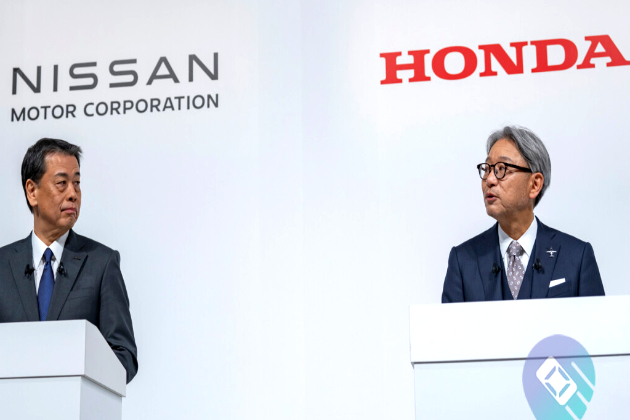
TOKYO, Japan: Foxconn has approached Honda Motor with a proposal to form a partnership, aiming to establish a broader collaboration...
Consumer Confidence Survey weighs on Wall Street

NEW YORK, New York - There was a mix of gains and losses in the United States on Tuesday with tech stocks selling off, and industrials...
Audi plans North America expansion with location expected this year

BERLIN, Germany: Audi is moving forward with plans to expand production in North America, and CEO Gernot Doellner said a decision on...
Reuters survey: Bank of Japan likely to hike rates to 0.75% in Q3

TOKYO, Japan: The Bank of Japan is expected to raise interest rates at least once more this year, likely in the third quarter, bringing...
Nasdaq Composite plummets 237 points as U.S. investors fret

NEW YORK, New York - U.S. stock markets closed lower on Monday, with the major indexes showing mixed performances as investors digested...
Airbus targets 820 jet deliveries in 2025, delays A350 freighter
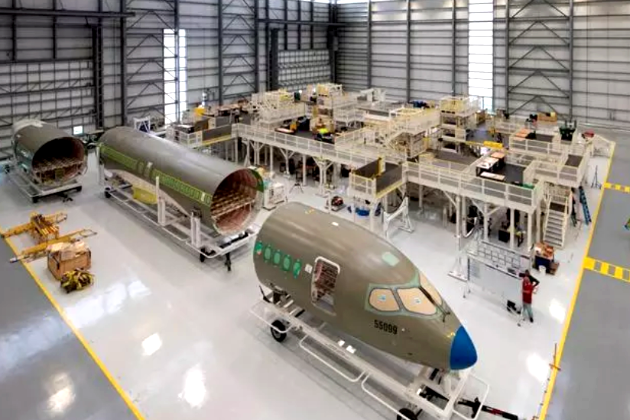
BLAGNAC, France: Airbus has set a target of delivering around 820 commercial jets in 2025, marking a seven percent increase from the...